Mission Statement & Teaching Philosophy
Mission Statement:
In a theatre program and classroom guided by Mallory Blue, it will foster an environment built on mutual respect, kindness, and an unwavering commitment to consent, safety, and learning accommodations. Students engage in the study of theatre to cultivate essential life and work skills—including organization, character analysis, and technical building—that serve them in any path they choose after high school. By performing for and working with students in local feeder schools, students develop deep empathy and a sense of community leadership. Ultimately, the theatre program leverages theatre skills to prepare students for the future, ensuring they graduate as capable, well-rounded, and compassionate individuals.
Values:
Kindness
Respect
Empathy
Growth
Safety


This the Classroom Standards poster that I would have up on my classroom wall and I will expand on each standard and how it ties into my teaching philosophy.
Have respect and kindness for yourself and others.
In theatre, collaboration is crucial part of the process. In order for that aspect to happen, students must have respect for their peers and teachers. In my classroom, I set the culture that respect and kindness is the standard. This may look like respecting peers even if they don’t agree with them and respecting themselves by taking ownership of their academic success. It also means encouraging the students to serve each other if one is down. As a teacher, it also means demonstrating respect by admitting when I have made a mistake, I have found that students see me as their teacher more human when I am willing to admit when I have made a mistake instead of doubling down. Respect also looks like being willing to differentiate and accommodate for students with different learning styles and abilities. As a teacher, I strive to incorporate multiple different ways of learning in one lesson for neurotypical students and neurodivergent students. As a neurodivergent adult who did not receive a diagnosis until she was 25, I want to respect all of my students learning abilities and styles the way I wish I had when I was in school.
You may not become a theatre professional after high school, but you will use the skills you learned in class with whatever you do in life.
As a teacher, I have the philosophy that students will be able to use the skills they have learned in theatre can be transferable to whatever profession they go into. It is important that when students learn a wide-range of skills, that I connect it to how they can use it in the work industry even if it’s not theatre related.
Consent and safety matters every time. Period.
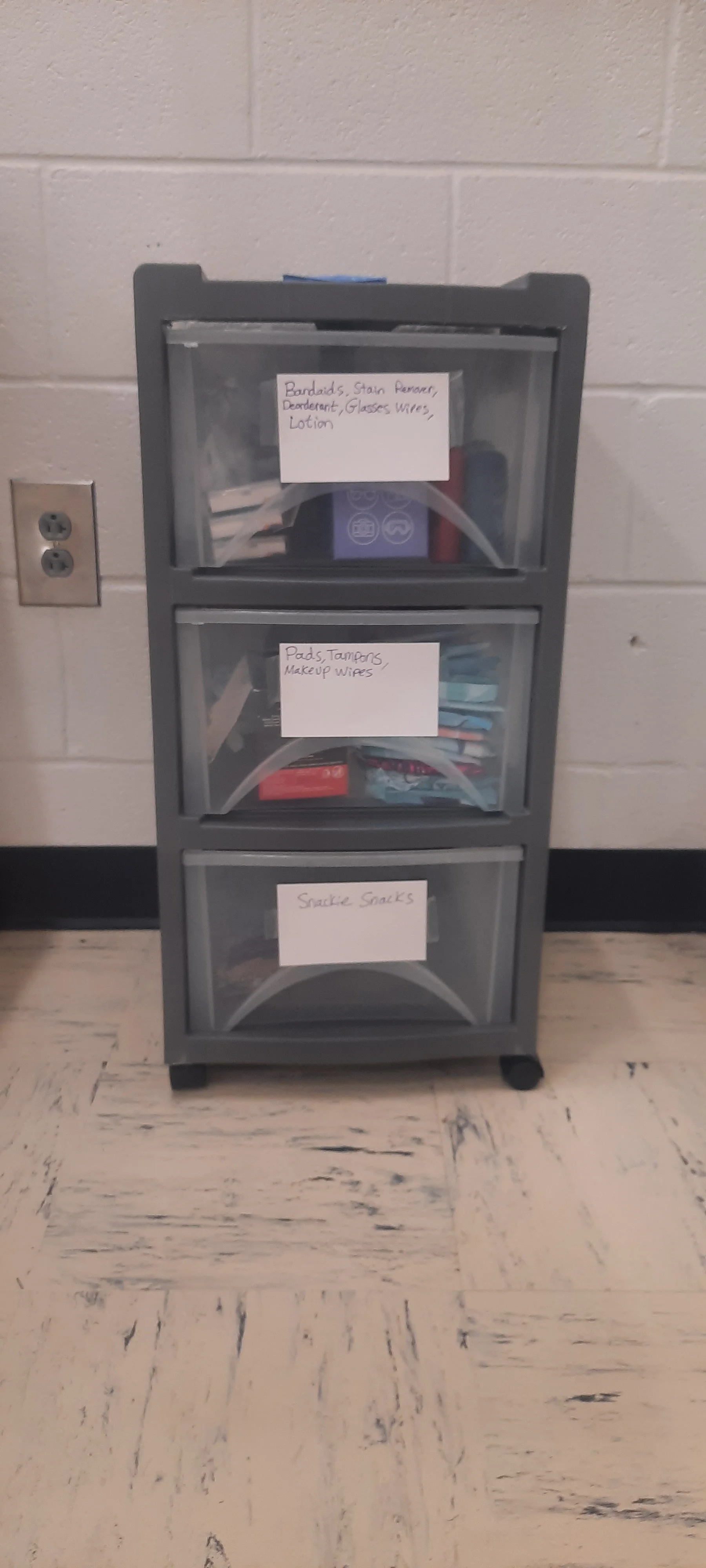
It is extremely important to me that I establish a culture of consent and safety (physical, emotional, and psychological). Especially in theatre environment where students may have to kiss or have any kind of physical touch with their scene partner. This looks like teaching students to communicate their boundaries, know that those boundaries may change, and it is important to receive verbal consent from their scene partner. I also make it a standard to have more intimate moments in scenes to be choreographed similar to how a sword or knife fight would be choreographed. I also as a teacher have an understand of Maslow’s Hierarchy of Needs. If a student does not have food in their stomach or feel emotionally safe, they will not learn efficiently. This is why I normally have feminine hygiene products or small snacks on hand to help mitigate that first step to better learning.
Use technology ethically, responsibly, and in moderation
With the rising use of AI, this is my newly written standard. It was the rise of technology that helped progressed the industry of theatre, however, if technology is not used responsibly and in moderation, it can hinder learning. I am against the use of generative AI to replace human creativity (such as making an entire essay or an entire creative art piece). Phones and AI used for organizational purposes can help keep students up with the progression of technology. For example, students using AI to help come up with questions to assist with their character analysis (but not give them the answers to those questions) would be an example of acceptable use of AI in my classroom. However, a key component to this standard is moderation. If there is excessive use of cell phones and AI, it hinders learning. In my classroom, I would give instructions on when they could use their phones and AI and only allow personal use of cell phones during the 5 minute brain break during class.
The ultimate goal in this classroom is for you to learn to how to be a better human.
In my classroom, I strive for a holistic teaching approach to students. Many of the skills are used in daily life and in the work force. There is also many opportunities to examine the human experience in plays and musical and I hope they learn from analyzing complex characters with emotions, objectives, and actions.